For bird identification
Include approximate size, shape, bill, colours or contrast patterns, behaviour, call description, habitat and the time of day. Mention which details you are uncertain about.
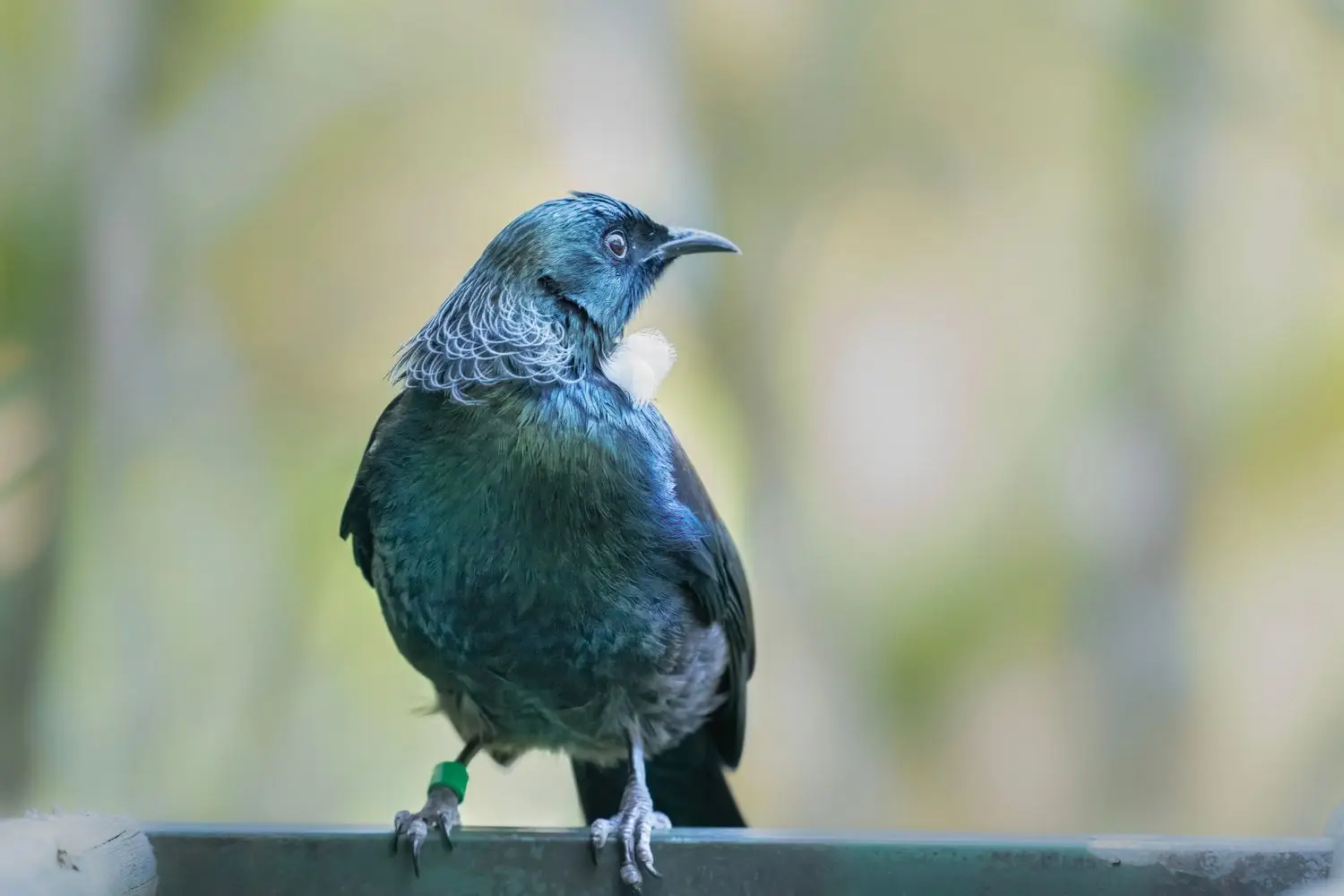
Kawakawa & Titoki margins support forest insectivores throughout the Waitakere and Hunua Ranges.
Whether you have observed a banded shorebird, want guidance for bush walks, or wish to join our upcoming Saturday field excursion, send us your note below.
Our indoor natural history lectures, specimen microscopy sessions, and library research take place at our Auckland clubrooms. Field outings depart from coordinated trailheads across regional coastal reserves and pest-free bush zones.
Ornithological symposium, member sighting presentations, and gear checks at 27 Tui Road, Auckland.
Guided dawn excursions to regional estuaries (Miranda, Manukau Harbour) or regional sanctuaries (Shakespeare, Tawharanui).
Dedicated bike racks and 18 free off-street visitor parking bays at the clubrooms. For distant coastal trips, voluntary carpool groups congregate at Henderson Station Park & Ride.
Orqelavessianea is managed by active field ornithologists and conservation stewards. We route your inquiries according to biological urgency and seasonal bird migration periods.
If you are seeking confirmation on whether an outing proceeds under rain alerts or need urgent gear advice before dawn departures, telephone our Field Coordinator directly on +64 9 887 2146. Urgent morning notifications are updated on our field hotline answerphone by 5:30 AM on outing days.
General identification queries, nest monitoring updates, and scientific collaborations are managed via email. In accordance with New Zealand wildlife protection ethics, we never publicly disclose precise grid coordinates of vulnerable ground-nesting species such as the New Zealand Dotterel or Shore Plover.
Are you a university researcher seeking regional census archives, an ecological photojournalist, or a local landholder looking to restore bush corridors? Reach our specialist committees directly through the registry form or our companion documentation.
We are actively training volunteer coordinators for our annual Winter Wetland Census and Hauraki Gulf pelagic boat transects. No professional degree required—just a passion for native birds and meticulous record-keeping.
A short, structured message is usually more useful than a long list of guesses. Include what you actually observed and the broad setting; avoid publishing exact sensitive nest locations.
Include approximate size, shape, bill, colours or contrast patterns, behaviour, call description, habitat and the time of day. Mention which details you are uncertain about.
Tell us which activity interests you, your approximate experience level and whether you need information about walking distance, start time or equipment expectations.
Describe the broad area, habitat change and bird response. If the information involves a vulnerable breeding site, keep exact coordinates out of public channels and ask how to share them responsibly.