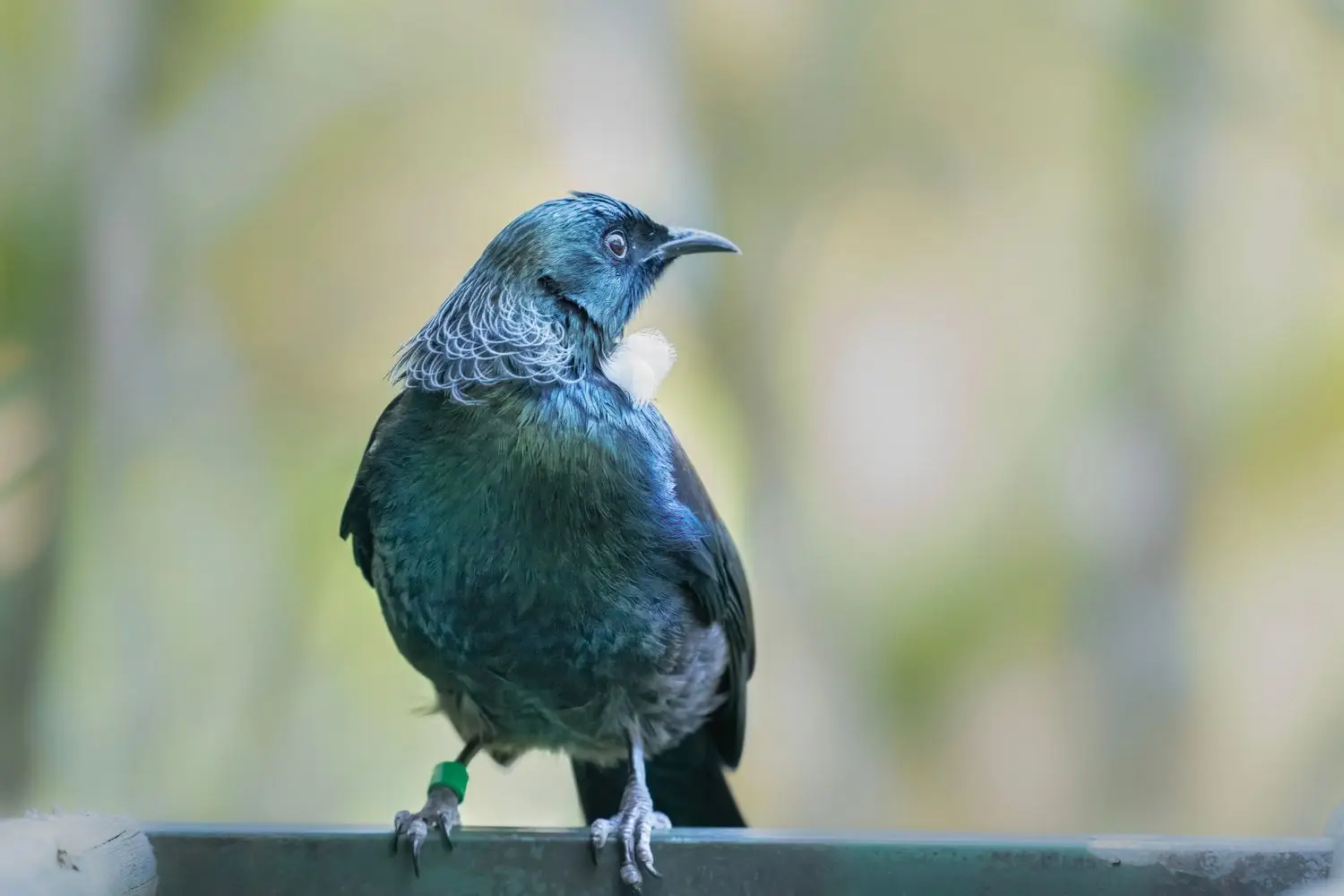
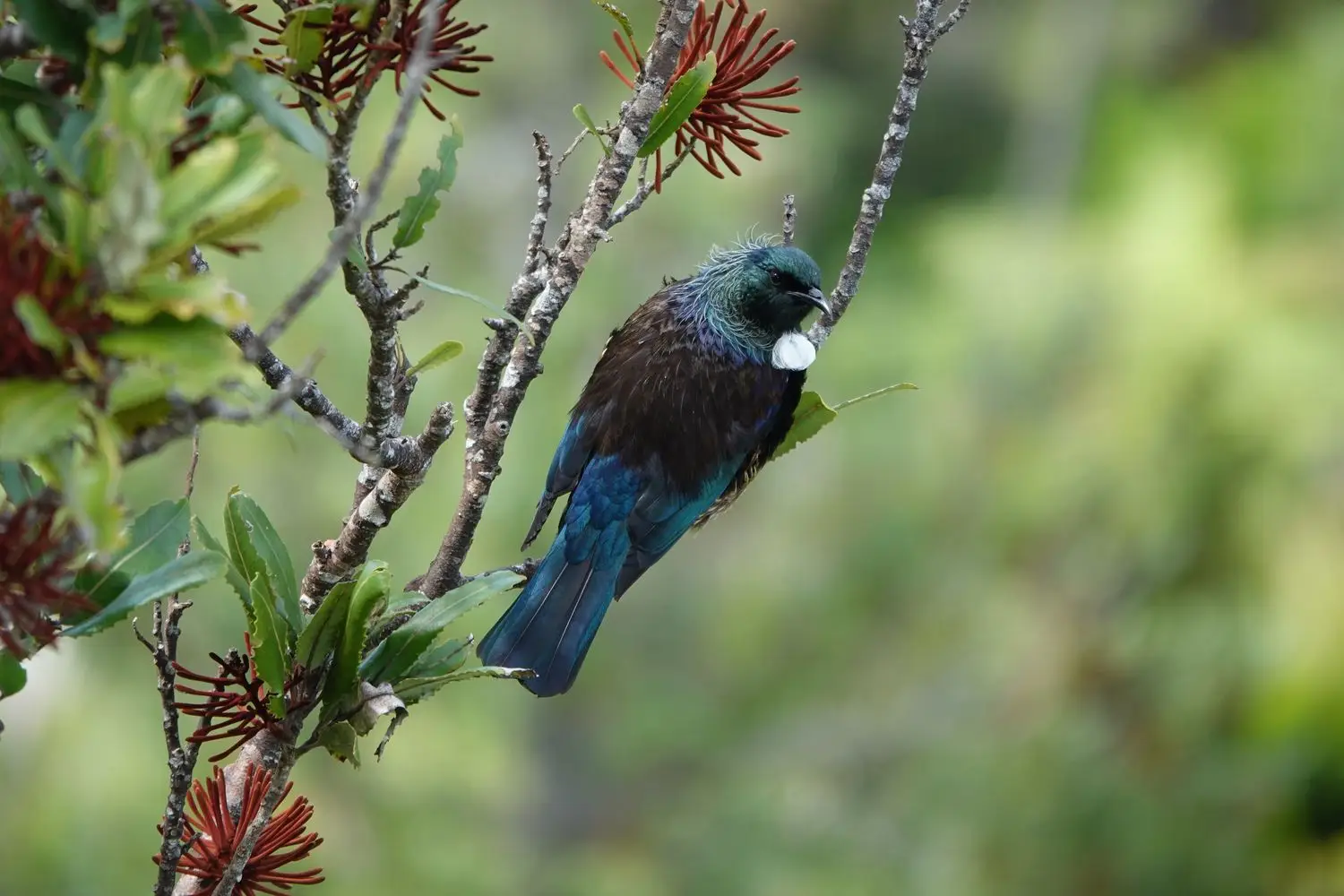
Tūī & Bellbird (Korimako)
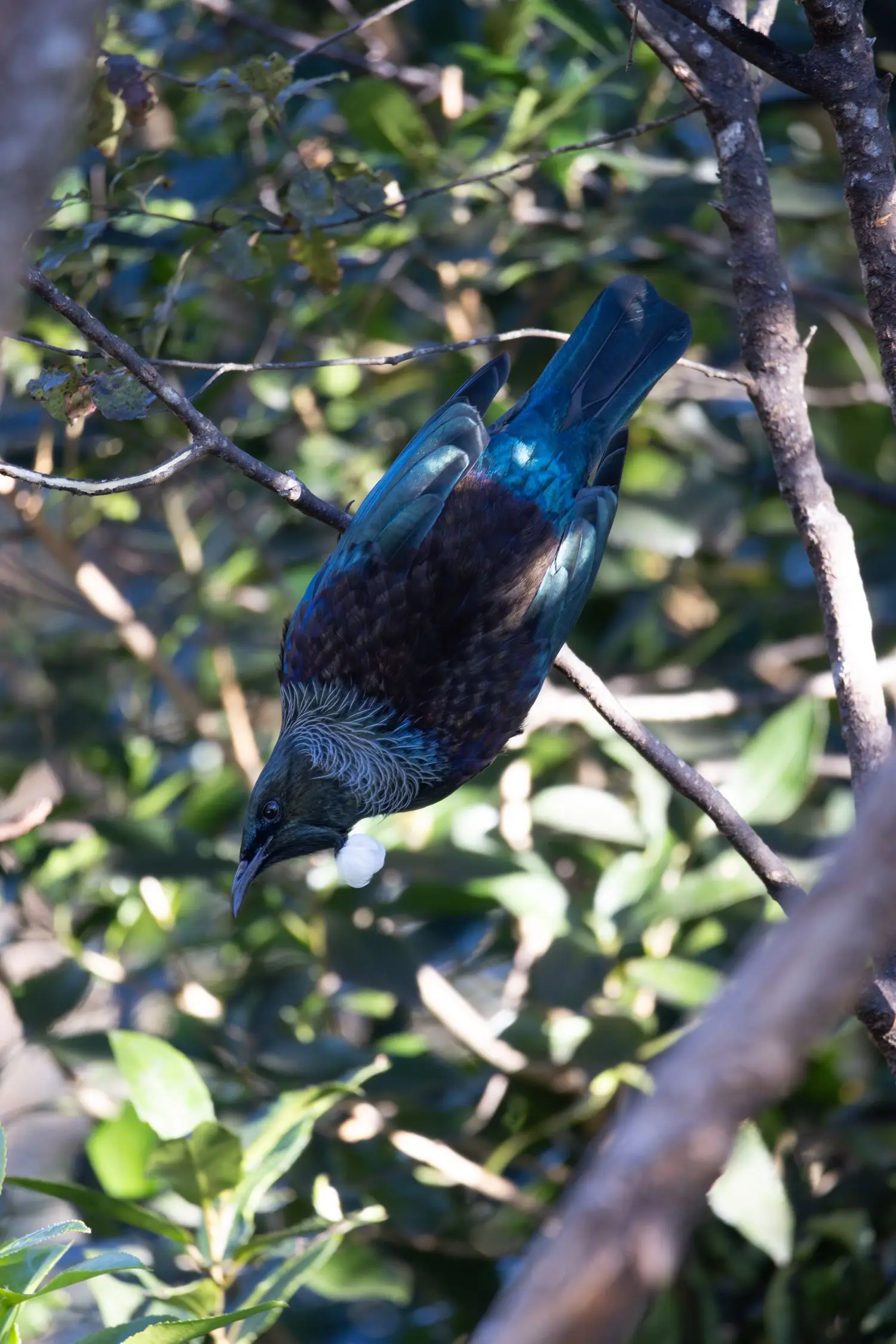
Arboreal nectar-feeders key to indigenous seed distribution. Distinguished by complex acoustic repertoires, iridescent blue-green sheen, and characteristic flight whirs through podocarp crowns.
Explore ancient forest songbirds, pelagic wanderers, and delicate estuary waders through systematic field observation. Learn reliable identification cues, seasonal routines, and responsible ethics across New Zealand landscapes.
Arboreal nectar-feeders key to indigenous seed distribution. Distinguished by complex acoustic repertoires, iridescent blue-green sheen, and characteristic flight whirs through podocarp crowns.
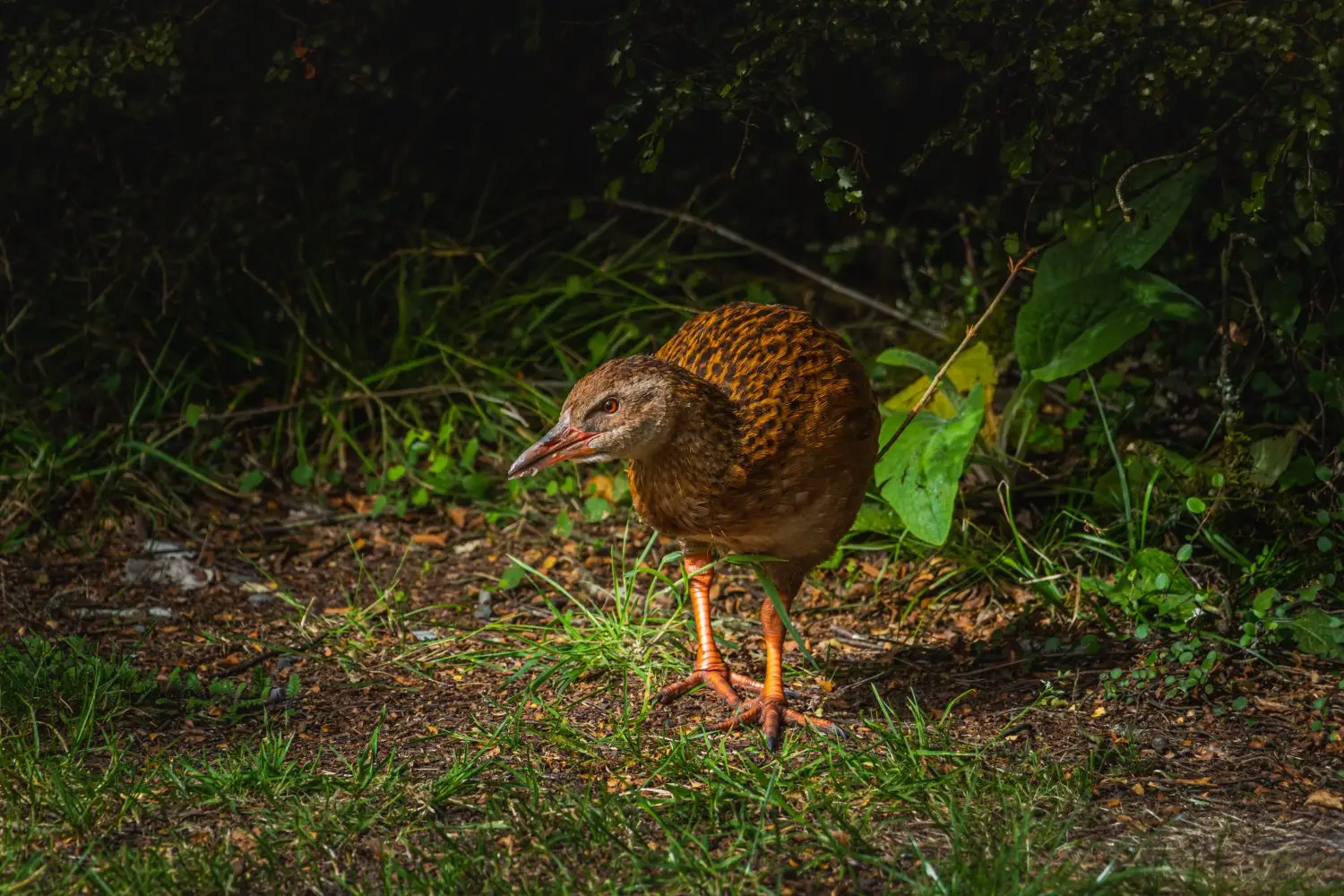
Evolved without land predators, nocturnal kiwi and inquisitive coastal weka employ heightened olfactory and tactile foraging cues. Careful tracking of footprint traces is crucial for non-invasive censusing.
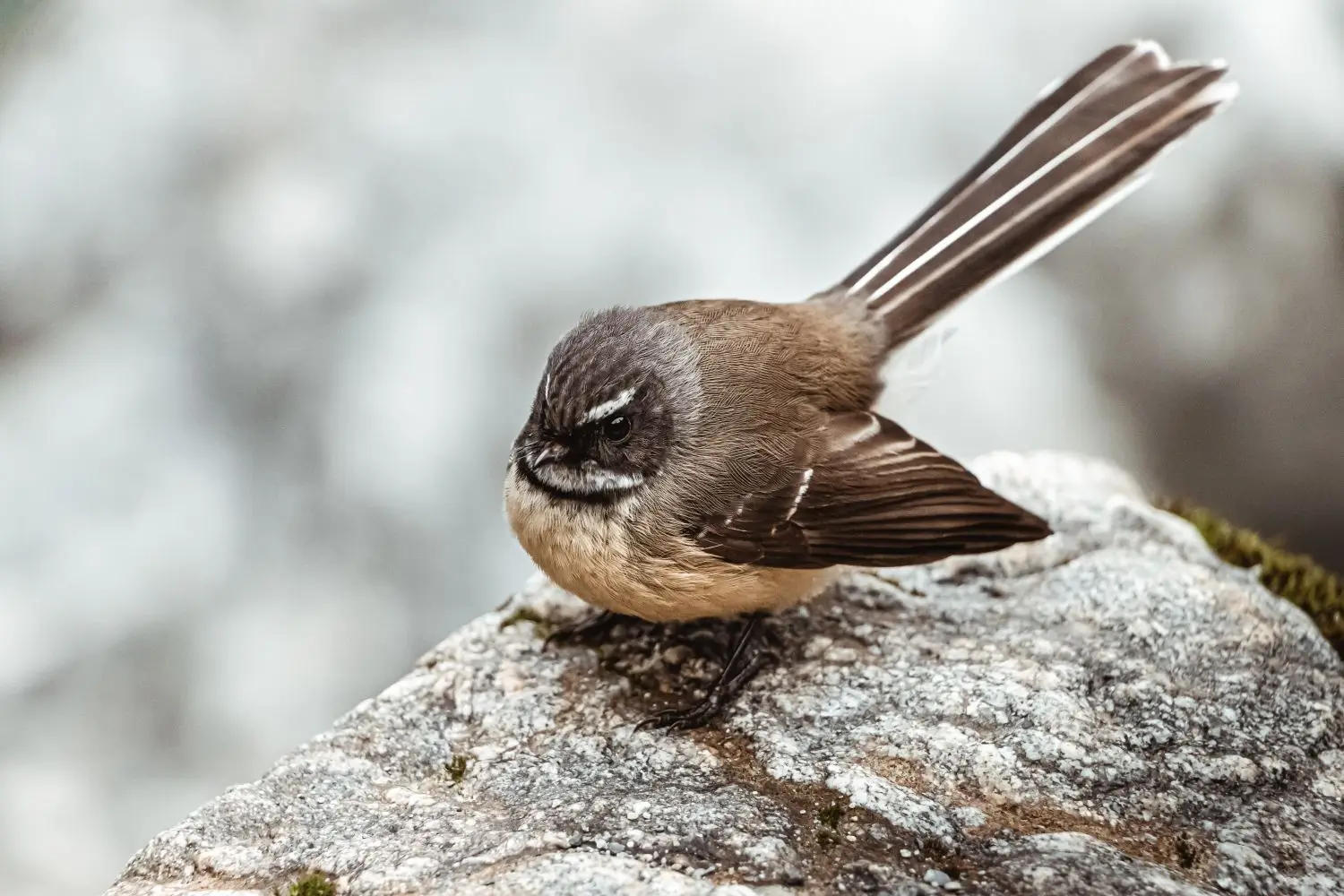
From the agile mid-air insect capture of fantails to the heavy wing-beat of fruit-dispersing kererū and the side-curved bill of braided river ngutu pare, these taxa highlight niche morphological adaptations.
Documented with diagnostic voice spectrograms and plumage stages in Auckland regional reserves.
Accurate ornithological observation in New Zealand bush demands patience and structured deduction. Dense podocarp foliage often prevents clear visual sightings, meaning call rhythm, guttural wheezes, and canopy rustle serve as your primary field markers.
Calibrate 8×42 binoculars for low-light morning forest; track under-wing bars before scanning head plumage.
Learn to distinguish bellbird bell chimes from complex tūī clicks, whistles, and uncanny ecological mimicry.
Document time, weather barometrics, tide heights for shorebirds, and behavioural context before consulting field guides.
Protecting vulnerable endemic populations begins with the watcher. Our club follows strict ethical codes to ensure wildlife remains undisturbed.
Maintain minimum separation from feeding, brooding, and roosting individuals. If a bird turns its head, alters its vocal cadence, or stops feeding, you are too close. Step back smoothly without abrupt lateral movements.
New Zealand dotterels (tūturiwhatu) and wrybills nest in subtle shingle depressions. Never bring dogs into marked coastal wildlife habitats, remain below high-tide shell drift lines, and heed volunteer temporary predator cordons.
Broadcasting recorded territorial calls drains energy reserves of territorial honeyeaters and endangered forest passerines during crucial breeding windows. Orqelavessianea outings forbid acoustic playback devices entirely.
When encountering critically endangered species like kākāpō, shore plover, or nesting falcon (kārearea), obscure fine GPS coordinates on public databases to avoid triggering opportunistic photography crowds.
Respect whenua (land) and consult local rūnanga guidelines when entering ancestral rohe, offshore sanctuary islands, or sacred tapu bush corridors. Birdwatching is an exercise in cultural respect as well as biological inquiry.
Whether you are taking your first steps with binoculars or conducting multi-season census work, Orqelavessianea welcomes your curiosity. Step into ancient podocarp bush and coastal estuaries alongside supportive local observers.
Identification becomes faster and more reliable when observers first ask what the habitat can support. Canopy height, understory density, freshwater edges, tidal exposure and food sources all change the set of likely species.
Watch where a bird spends its time: high canopy, trunk, dense understory or open edge. Feeding height and movement pattern can separate species even when light makes colour unreliable.
On mudflats and sandspits, compare feeding depth, bill action, spacing between birds and preferred substrate. Observe the whole flock before focusing on a single individual.
Calls often carry farther than visual details. Note rhythm, phrase length, pitch change, repetition and direction before moving. Never use playback to pull a bird closer.
A consistent notebook structure makes records comparable between outings and reduces missing information when an observation becomes important later.