18
APR
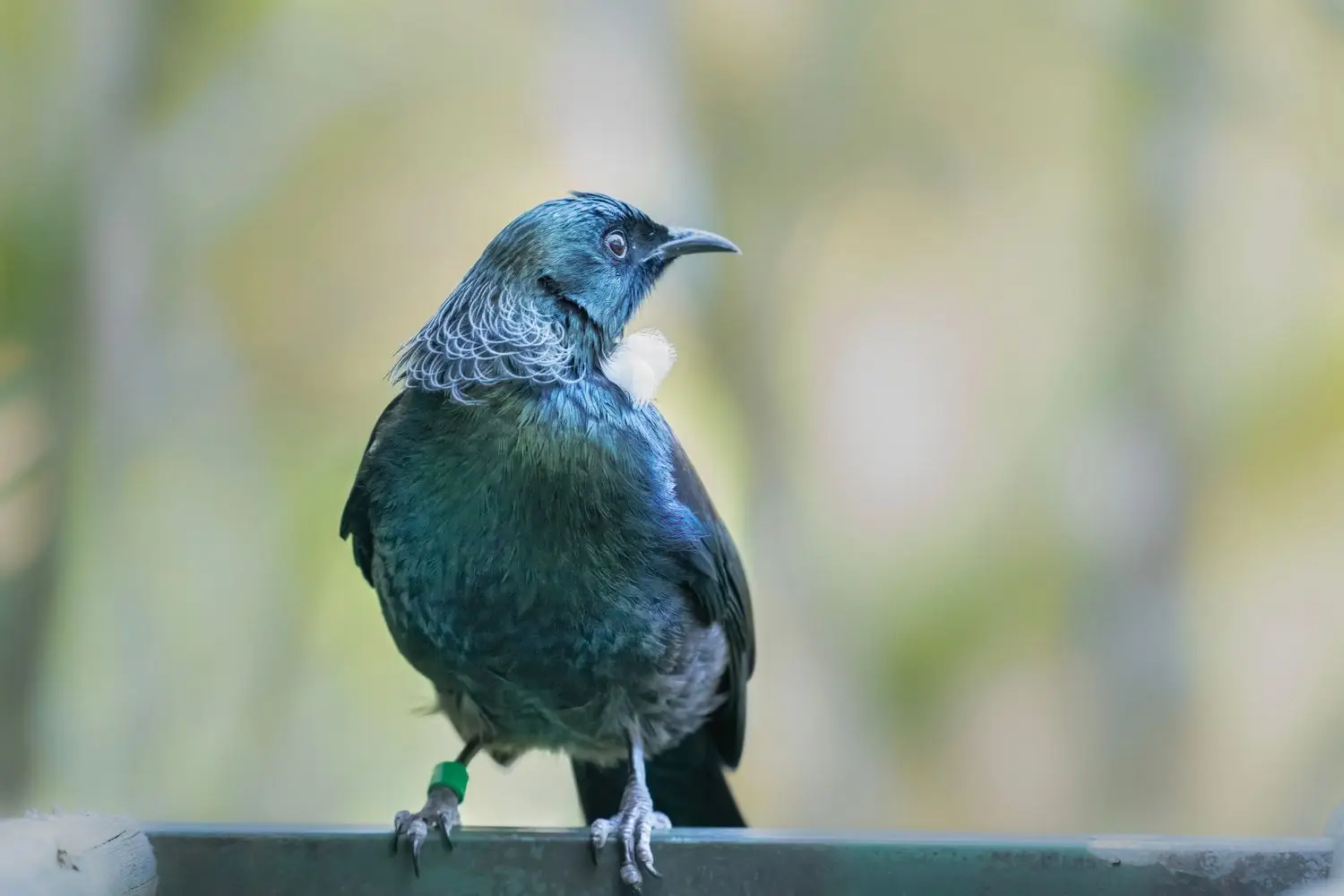
Dawn Chorus Survey: Tūī, Korimako & Pīwakawaka
A slow-paced 4.5km canopy walk monitoring morning nectar feeders and territorial calls across mature kauri and taraire stands. Field audio recording gear provided.
Orqelavessianea unites birdwatchers, naturalists and coastal surveyors across New Zealand through disciplined field notes, ethical observation and community outings.
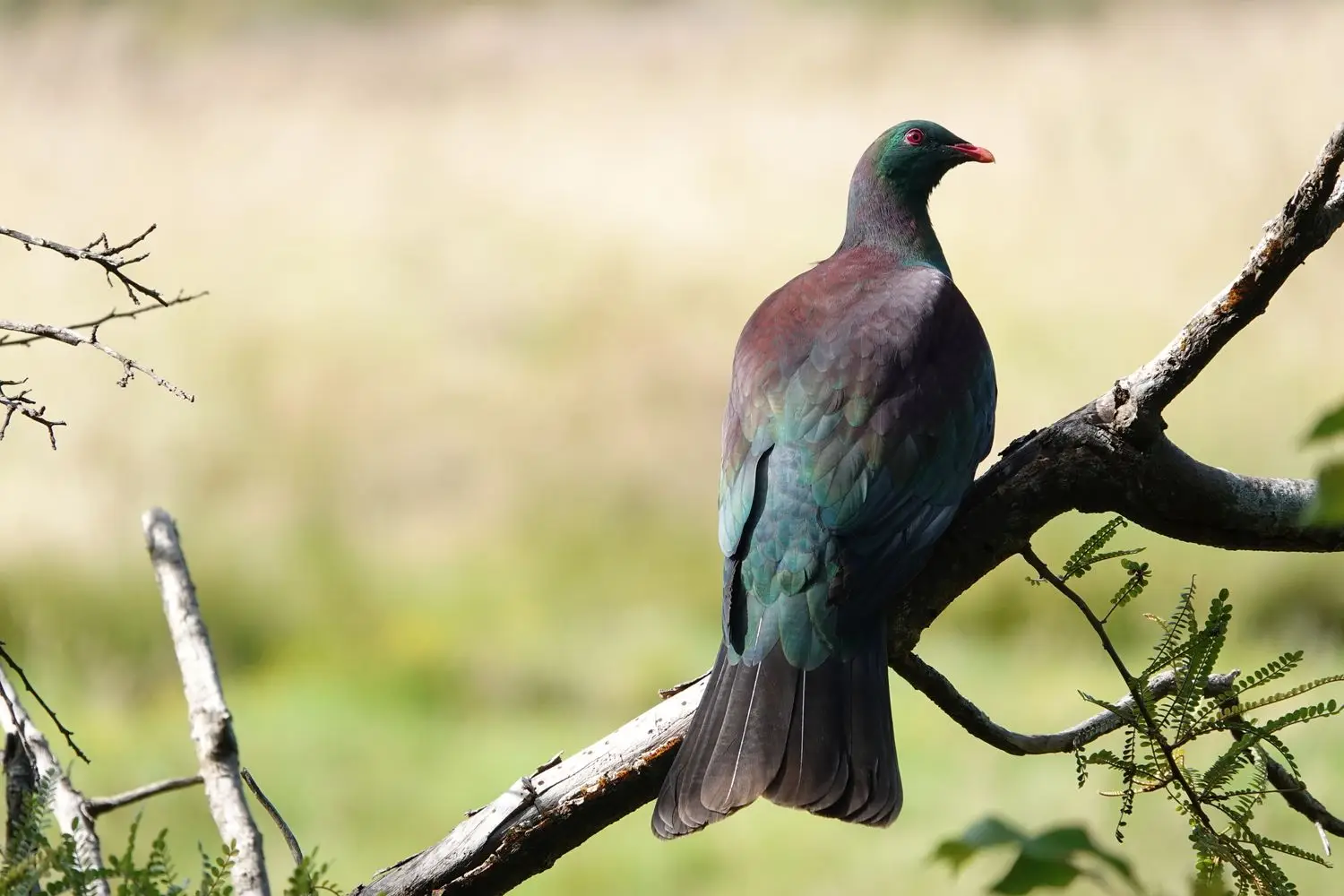
Documented across regional sanctuaries, coastal estuaries and alpine ranges by club field observers.
At Orqelavessianea, birdwatching extends beyond casual sightings. We equip naturalists with plumage keys, call spectrums and ethical field protocols designed to safeguard sensitive nesting grounds while contributing verified biodiversity records to national monitoring efforts.
Learn subtle plumage differences, vocalisation timings, and flight silhouettes for forest endemics and coastal migrants.
From Auckland’s Waitākere podocarp bush to Kaikōura pelagic trenches, explore specialized observation corridors.
Strict non-intrusive protocols: zero playback near breeding sites, minimal ground compaction, and responsible photography.
Join guided weekend transects and field identification sessions led by experienced New Zealand ornithology mentors.
A slow-paced 4.5km canopy walk monitoring morning nectar feeders and territorial calls across mature kauri and taraire stands. Field audio recording gear provided.
Observing Arctic-breeding Godwits and Wrybills on the shell chenier banks during tidal accumulation. Includes optical calibration tutorial and bird banding log practice.
Hands-on seminar covering accurate field sketch notations, standard micro-habitat classification, and digital audio logging using open-access ornithological databases.
Membership connects you to structured field excursions, regional bird counts, mentor-led identification clinics, and collaborative conservation reporting across both the North and South Islands.
Delve into our club archives, identification keys, active field projects, and direct lines of inquiry.
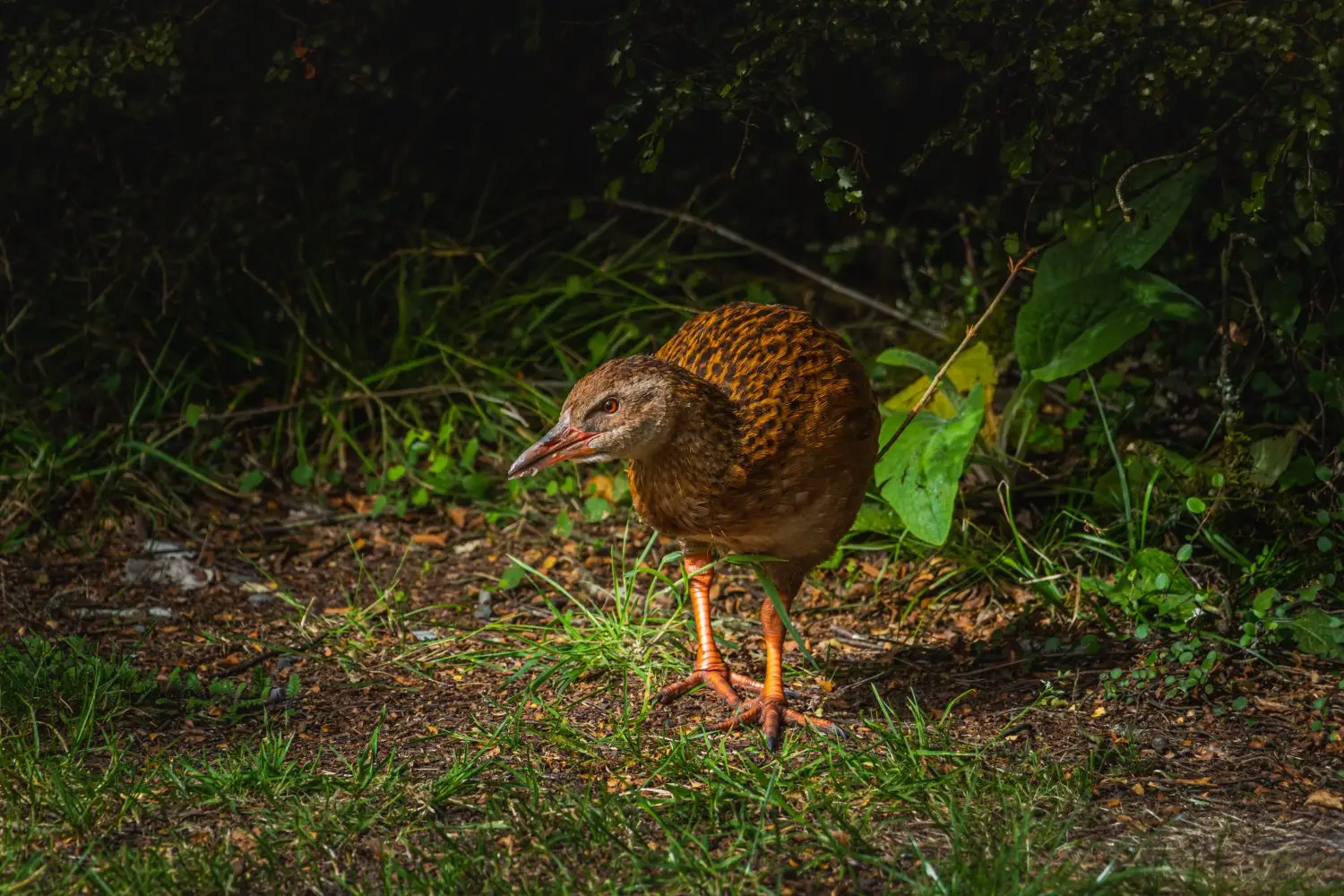
Our Auckland roots, mission charter, ethical bylaws and leadership team.
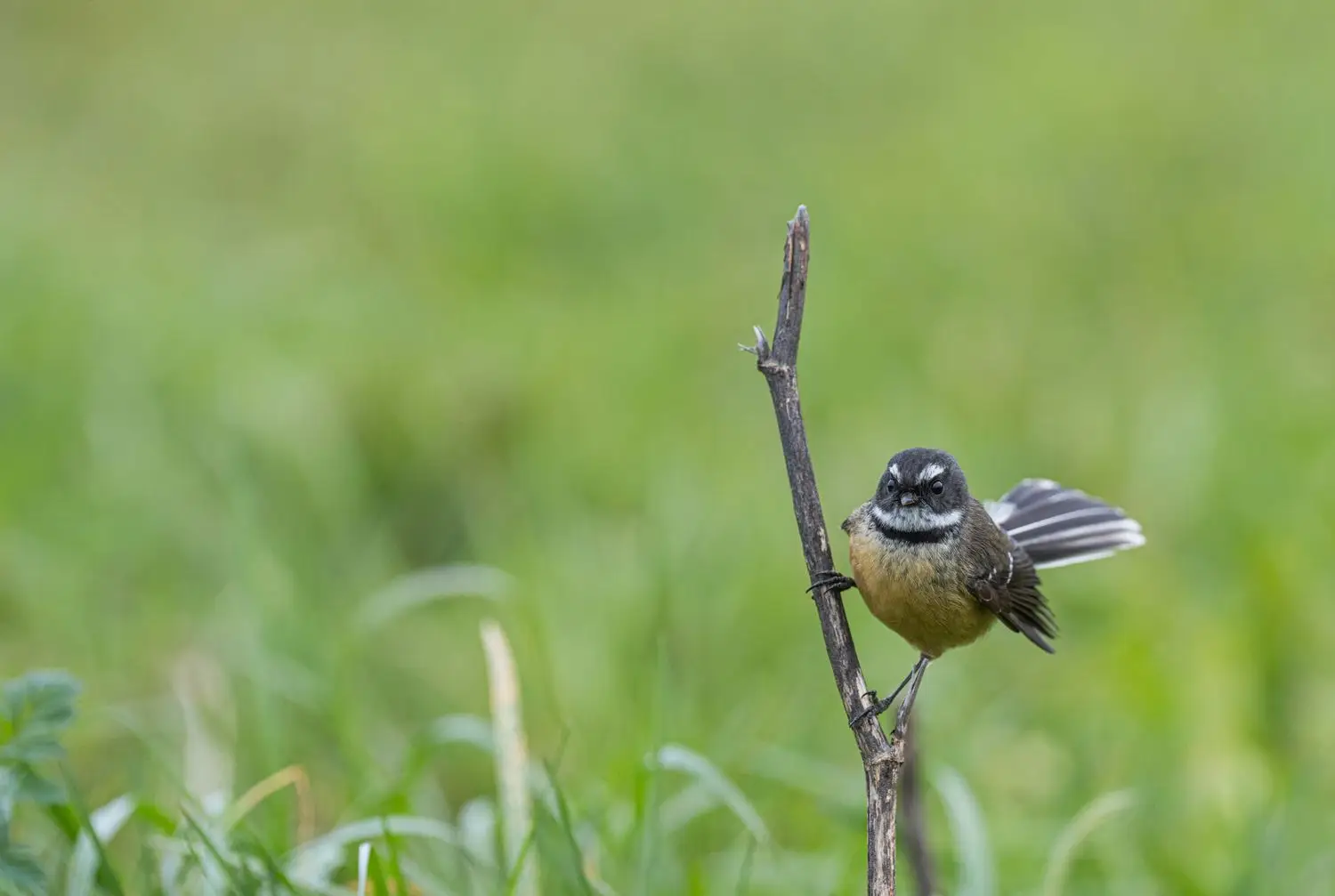
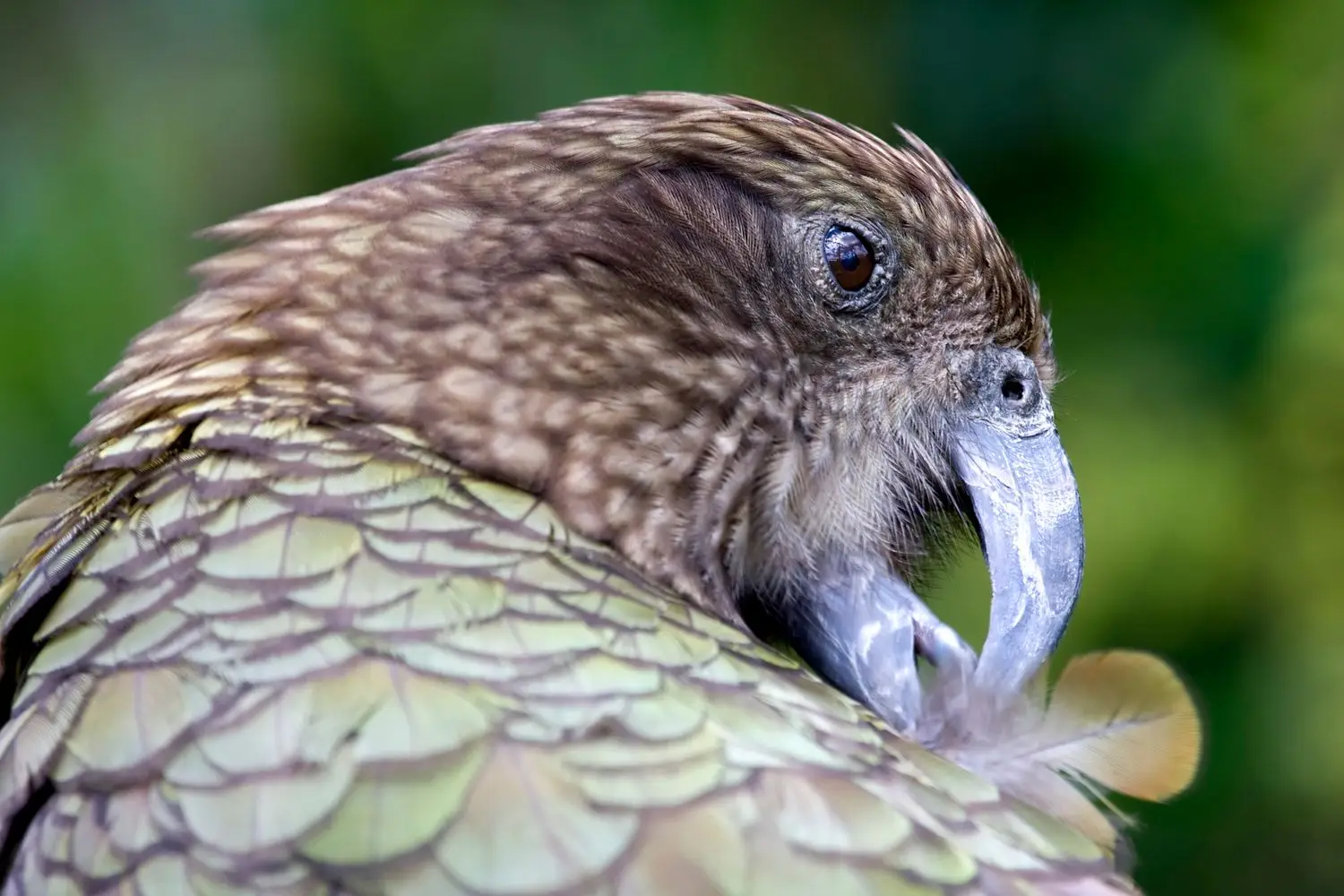
Comprehensive field notes on endemic songbirds, wetland waders, and raptors.
Seasonal survey schedules, workshop logs, and member expedition archives.
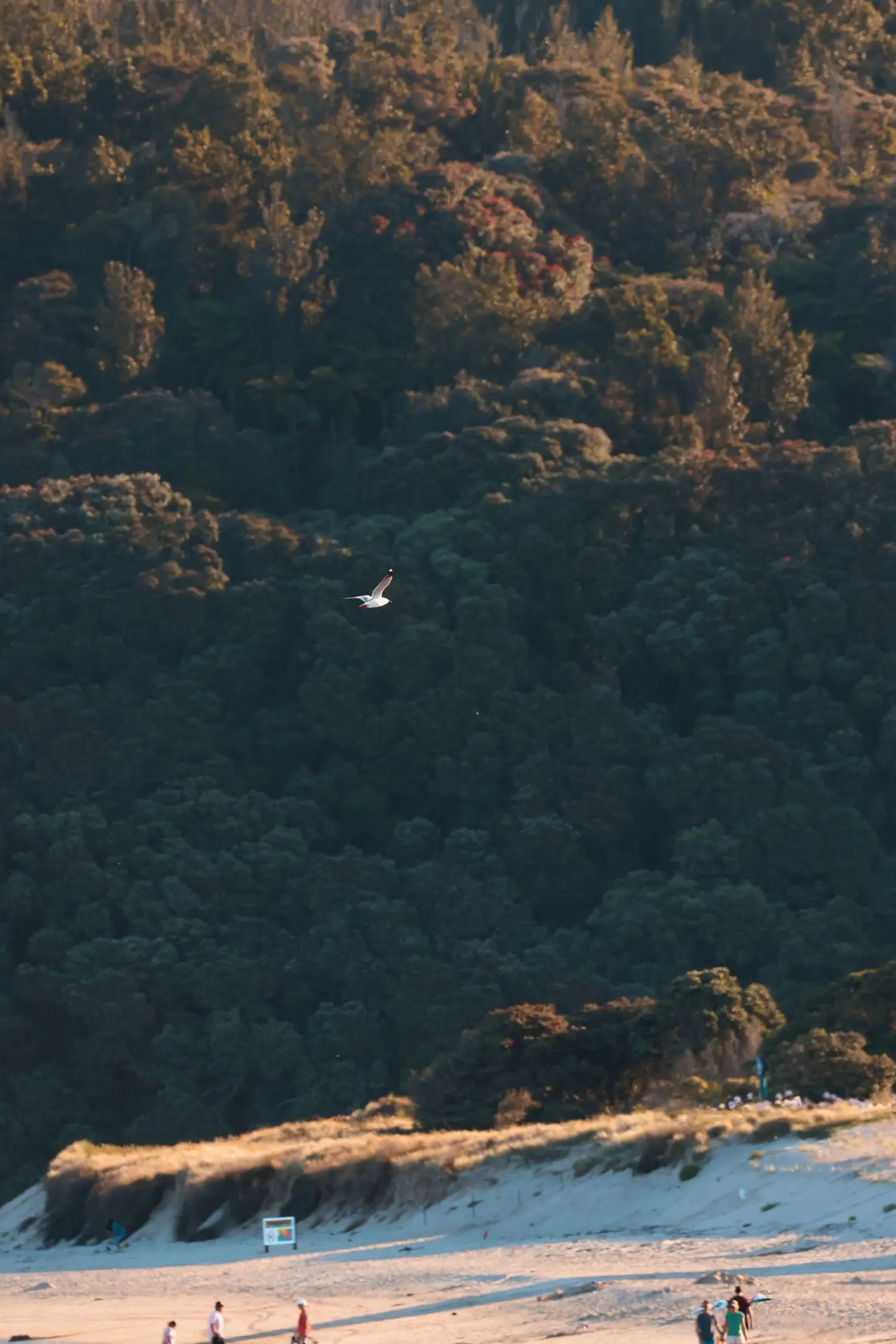
Connect with our Auckland committee at 27 Tui Road or phone our team.
A memorable encounter becomes more valuable when the observer records enough context to make the observation understandable later. Our field practice focuses on evidence, habitat context and restraint rather than chasing a closer view.
Note date, approximate time, weather, light, tide where relevant, habitat type and the observer’s position. These details often explain behaviour and help separate similar-looking species.
Write down shape, size, bill structure, plumage blocks, flight pattern, calls and behaviour before settling on an identification. This reduces the tendency to force observations to match an expected species.
Exact nest locations, roosting sites and vulnerable breeding territories are handled cautiously. Club notes favour useful ecological context without encouraging disturbance around sensitive birds.
Field skills change with season and habitat. Members learn to anticipate what birds are doing before arriving, which produces quieter observation and more reliable notes.
Listen for tūī, korimako, riroriro and pīwakawaka, then compare calls with movement through canopy layers. Flowering and fruiting cycles can shift activity dramatically even within the same reserve.
Work from a distance, understand tide movement and scan roosts before walking onto open shore. Silhouette, leg length, feeding method and flock structure are often more useful than colour alone.
Use slow scanning, repeated listening stops and careful notes on flight style. Vegetation height, water depth and edge structure help narrow identification without approaching cover closely.